Probiotics: Guardians of Gut Health
In recent years, probiotics have become a popular topic in the health and wellness field. Many people consider them an essential part of daily care. But what exactly are probiotics, and how should we supplement them properly? Let’s explore the answers.
What Are Probiotics?
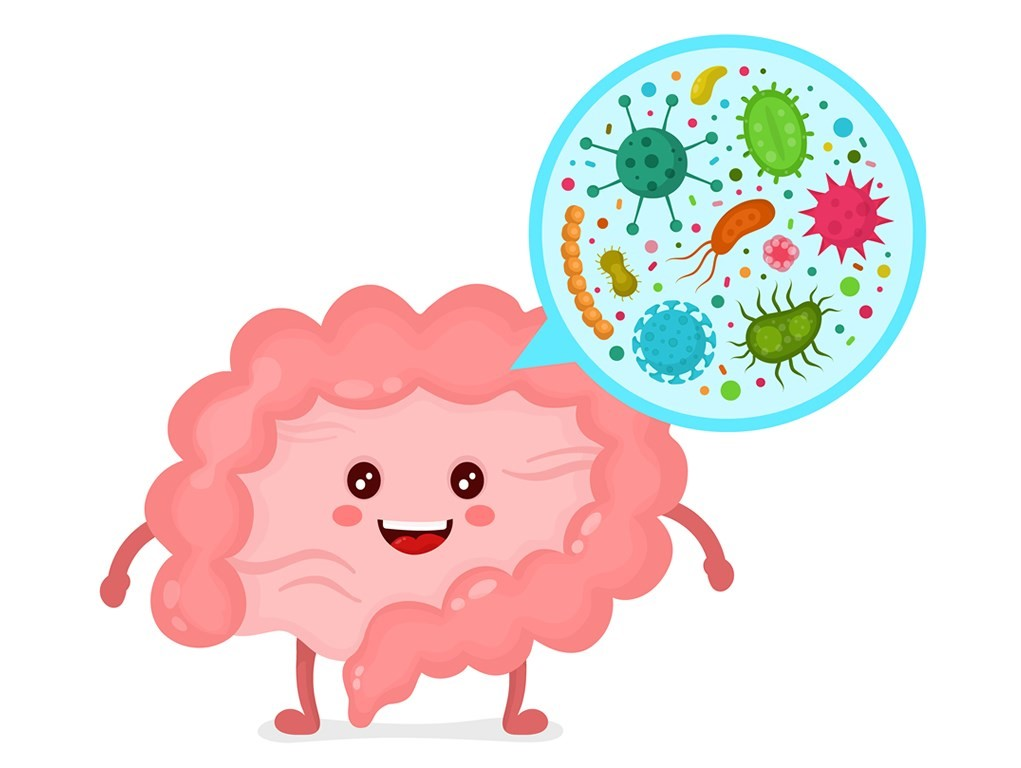
Probiotics are live microorganisms that, when consumed in adequate amounts, provide health benefits to the host. They naturally exist in the human gut, mouth, and skin. By helping to balance the intestinal microbiota, probiotics suppress the growth of harmful bacteria, support digestion, and strengthen immune function.
Common types of probiotics include:
Lactobacillus: Helps break down lactose and improve gut health.
Bifidobacterium: Promotes intestinal movement and reduces constipation and bloating.
Saccharomyces boulardii: A beneficial yeast that may help with digestive discomfort and diarrhea.
Key Health Benefits of Probiotics
1.Support Digestive Health
Probiotics balance gut flora and help alleviate issues such as indigestion, constipation, and diarrhea.
2.Boost Immune System
By regulating gut-related immunity, probiotics can lower the risk of infections and enhance the body’s defense mechanisms.
3.Promote Skin Wellness
Research suggests that probiotics may reduce inflammation in the body, potentially improving skin conditions such as eczema and acne.
4.Support Mental Well-Being
The “gut-brain axis” shows a strong connection between gut health and mood regulation. Probiotics may help ease stress and anxiety by supporting this pathway.
Sources of Probiotics in Daily Life
Fermented foods: Yogurt, kimchi, miso, natto, and kombucha are natural probiotic-rich options.
Dietary supplements: Available in capsules, powders, and drinks for convenient intake.
Tips for Supplementing Probiotics
1.Choose multi-strain products: Different strains provide different benefits; a combination can better address overall needs.
2.Check the CFU count: A sufficient number of live bacteria (colony-forming units) is required for effectiveness.
3.Pair with prebiotics: Dietary fibers such as inulin or chicory root help probiotics survive and thrive.
4.Be consistent: Probiotics need regular and long-term intake to achieve lasting effects
ConclusionProbiotics are more than just digestive aids—they are closely linked to immunity, skin health, and even emotional well-being. By maintaining a balanced diet and supplementing with probiotics when needed, we can build a stronger foundation for long-term health.